Advising Meeting Essentials
Academic advising is a collaborative process that helps students understand degree requirements, plan coursework, and make informed decisions about their academic progress. Preparation, open communication, and follow-through help make advising meetings productive and purposeful.
Use the guidance and resources below to prepare for an advising meeting, make the most of the conversation, and follow through on next steps.
Prepare for the Advising Meeting

A productive advising meeting begins with preparation. Reviewing academic progress, understanding degree requirements, and identifying questions helps make advising meetings productive. Both students and advisors play a role in preparing for a meaningful conversation.
How Students Can Prepare
- Complete the Advising Prep Worksheet. Use the worksheet to review academic progress, reflect on goals, and prepare questions for the meeting. As part of this process:
- Check the Academic Calendar for important registration dates and deadlines.
- Review current semester grades using Canvas and identify any concerns or areas needing improvement.
- Review academic progress and degree requirements. Use Degree Works, the Academic MAP, and the Academic Catalog to review completed coursework, outstanding requirements, course sequencing, and prerequisites.
- Explore Course Offerings to identify courses available for the upcoming semester.
- Use the Plan Ahead feature in the registration system to create a proposed course registration plan.
- The Plan Ahead feature typically becomes available 1–2 weeks before the Advising Period begins. Students are encouraged to begin building their proposed schedule as soon as it opens.
When to Complete Advising Prep
Students can complete the Advising Prep Worksheet and build a proposed course schedule using Plan Ahead before meeting with their Major Advisor. Advising Prep is also introduced through LDRS 101 for Knobs and reinforced through Cadet Academic Team outreach. Company Advisors, Cadet Academic Teams, and Advising Facilitators can provide additional guidance as needed. Students should bring their completed worksheet and proposed schedule to the advising meeting.
How Advisors Can Prepare
- Review the Student Profile and previous session notes to be familiarized with the student. Consider the Student Population the student may fall within to be sure the best information is being shared.
- Review academic progress and degree requirements. Use Degree Works, the Academic MAP, and the Academic Catalog to understand completed coursework, outstanding requirements, prerequisites, and course sequencing.
- Review course options. Consult Course Offerings and the Academic Calendar to identify available courses, registration timelines, and relevant deadlines.
- Identify areas for discussion. Consider known academic concerns, potential scheduling challenges, and opportunities to connect the cadet with additional resources or support.
Relevant Resources
Review available courses for upcoming terms.
Reference recommended course sequences and degree plans.
Review completed coursework, outstanding requirements, and degree progress.
Verify degree requirements, prerequisites, and academic policies.
Check registration dates, deadlines, and important academic dates.
How students prepare for advising by reviewing academic progress, identifying goals, outlining questions to discuss further, and creating a course registration plan.
Effective Advising Meeting
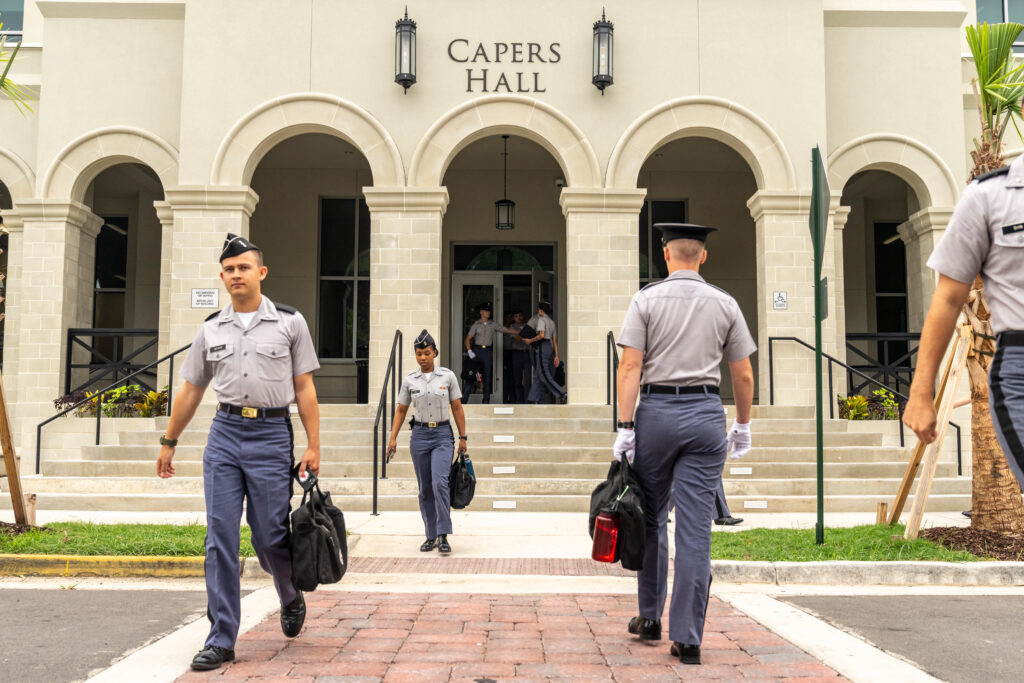
Advising meetings provide an opportunity for students and advisors to discuss academic progress, review degree requirements, explore course options, and address questions. Open communication and collaborative planning help ensure that academic decisions support the student’s goals and progress toward degree completion.
What Students Should Consider
Active participation helps make advising meetings productive and ensures important questions and concerns are addressed.
- Share goals and concerns. Discuss academic interests, future plans, challenges, and questions about academic progress.
- Review the Advising Prep Worksheet. Use the completed worksheet to guide the conversation and address identified questions and priorities.
- Discuss the proposed course schedule. Review Plan Ahead selections with the Major Advisor and make adjustments based on degree requirements, course sequencing, and availability.
- Clarify requirements and expectations. Ask questions about prerequisites, degree requirements, academic policies, or any remaining uncertainties.
- Identify next steps. Confirm decisions, outstanding questions, and actions to complete after the meeting.
- Take notes. Record important information, recommendations, decisions, and next steps for future reference.
What Advisors Should Consider
Advising meetings provide an opportunity to understand cadet goals, provide accurate academic guidance, and support informed decision-making.
- Review the Advising Prep Worksheet. Discuss the cadet’s goals, questions, and priorities to help guide the conversation.
- Discuss academic progress. Address current performance, outstanding requirements, and concerns that may affect degree completion.
- Guide course planning. Review proposed course selections, prerequisites, sequencing, and availability to help ensure the schedule aligns with degree requirements.
- Review non-major requirements. Confirm that required General Education and ROTC Fulfillment coursework is accounted for in the cadet’s academic plan and discuss any outstanding requirements or upcoming courses.
- Clarify academic policies. Address questions and consult the Academic Catalog or other relevant resources when needed.
- Connect cadets with support. Identify appropriate academic resources, campus services, or other offices when additional assistance may be beneficial.
- Confirm next steps. Summarize key takeaways, outstanding questions, and any necessary follow-up.
- Document key discussion points. Record relevant information, recommendations, decisions, and follow-up items for future reference, consistent with applicable advising practices.
Relevant Resources
Identify campus services and support programs that may benefit the student.
Reference the General Education requirements when discussing applicable coursework and outstanding requirements.
Reference ROTC Fulfillment Requirements when advising cadets on applicable ROTC fulfillment coursework.
Next Steps After the Advising Meeting
Following through on advising discussions helps ensure that academic plans are carried out, outstanding questions are addressed, and students remain connected with appropriate support. Clear next steps and continued communication contribute to effective academic planning.
How Students Can Follow Through
Following through on the advising conversation helps keep academic plans on track and ensures important tasks are completed.
- Review meeting notes. Refer to notes and recommendations from the meeting when making academic decisions or completing follow-up tasks.
- Complete necessary forms. Submit applicable academic requests, forms, or other required documentation discussed during the advising meeting.
- Complete agreed-upon actions. Submit necessary forms, seek additional guidance, or address other items discussed during the meeting.
- Follow up on outstanding questions. Contact the Major Advisor or appropriate campus office when additional clarification or information is needed.
- Monitor academic deadlines. Keep track of registration dates, academic deadlines, and other important dates.
- Continue monitoring academic progress. Review grades, degree requirements, and progress toward degree completion throughout the semester.
- Register for the upcoming semester. Use the approved academic plan to register for courses during the designated registration period, and confirm that the selected courses align with degree requirements.
How Advisors Can Follow Through
Following through on advising discussions helps maintain continuity, address concerns, and support student progress.
- Submit or facilitate necessary forms. Assist with applicable academic requests, approvals, or other registrar-related processes identified during the advising meeting.
- Document key outcomes. Maintain appropriate notes on relevant discussion points, recommendations, decisions, and follow-up items in accordance with applicable advising practices.
- Follow up on outstanding questions. Provide additional guidance or connect cadets with the appropriate campus office when needed.
- Submit or facilitate necessary forms. Assist with applicable academic requests or approvals when appropriate.
- Connect cadets with support. Follow through on referrals to academic support services or other campus resources when needed.
- Revisit academic concerns. Monitor ongoing concerns and address them during subsequent advising conversations as appropriate.
Relevant Resources
We invite all advisors to share their valuable feedback (opens in a new tab) on the advising resources available. Your insights will help us enhance the tools and support we offer, ensuring they meet your needs and improve the advising experience for both you and your students.