Keynote Speakers
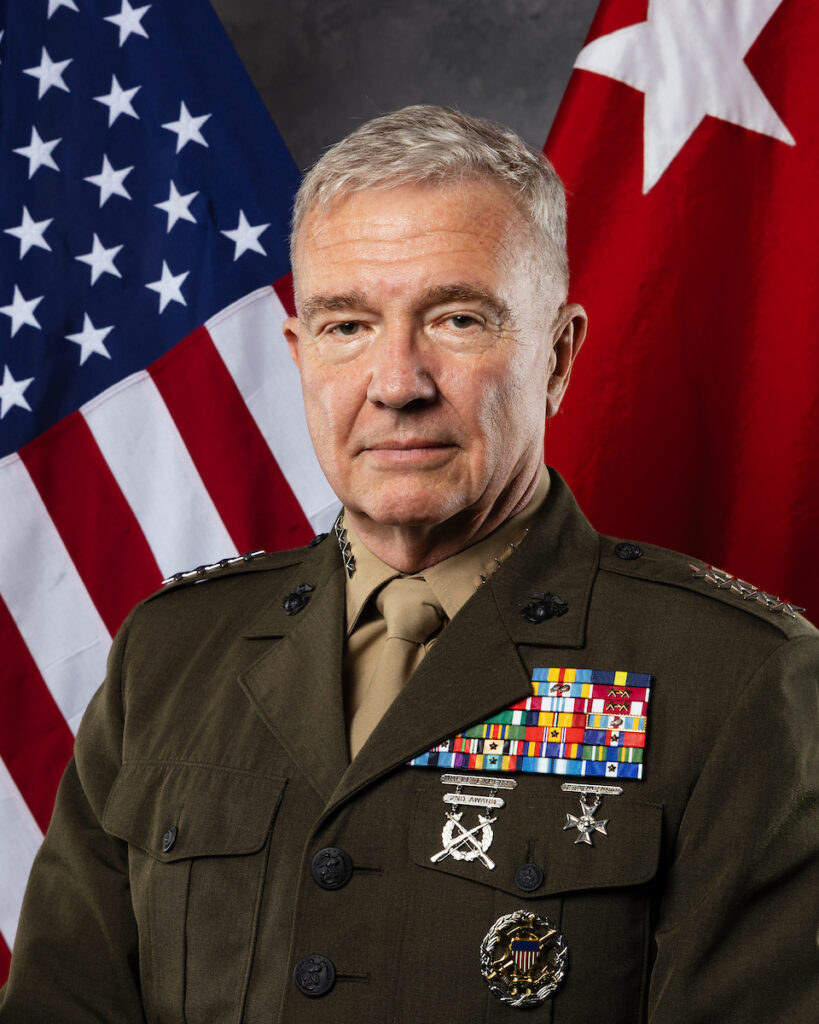
General Kenneth “Frank” McKenzie Jr., USMC (Ret.)
President, The Citadel
General Frank McKenzie graduated from The Citadel in 1979 with a degree in English and commissioned into the Marine Corps as an infantry officer. He has led at every level in the Marines and as a Joint Force Commander, to include at the Battalion and Marine Expeditionary Unit level, and has had multiple combat deployments in Iraq and Afghanistan. General McKenzie also served at the highest levels of our National military staff, with roles of increasing levels of complexity including as Director of the Joint Staff. In 2019, he was named the 14th Commander of The United States Central Command, encompassing 21 nations, every armed service, and over 40,000 personnel involved in combat, training, international cooperation, and forward presence operations. General McKenzie is a graduate of multiple service and staff institutions, and has a Masters degree in Teaching from The Citadel. He was awarded an Honorary Doctorate by his Alma Mater in 2019. In March 2026, The Citadel Board of Visitors named General McKenzie as the college’s 21st President, and he assumed office 1 July 2026.

Brian Shea
Director, Center for Cybersecurity, SCRA
Brian Shea, a twenty-year veteran of federal and state strategic planning initiatives, will lead the Center at SCRA and provide regular updates on the plan’s implementation to the Office of the Governor. In addition to being the primary author of the South Carolina cyber ecosystem study and the resulting strategic plan, Brian has led cyber ecosystem studies and strategies in multiple US states. Prior to his strategic consulting career, Brian served on active duty in the U.S. Air Force for twelve years as a Cryptologic Language Intelligence Analyst and Instructor.

Kim Majerus
Vice President, Worldwide Public Sector, Global Education and Local Government, Amazon Web Services (AWS)
Kim Majerus leads the global education and local government organization at Amazon Web Services (AWS), where she is at the forefront of bringing artificial intelligence, generative AI, and cloud innovation to the public sector. Her organization supports state and local government agencies, higher education and K-12 institutions, and the integrated EdTech and GovTech software providers that – together – form a connected community. United by shared missions, these organizations are harnessing artificial intelligence to accelerate research, deliver personalized services, and improve learning outcomes and citizen services. With more than two decades of technology leadership, Kim has built a career defined by driving large-scale digital transformation across government and education. Kim is a recognized thought leader on the responsible adoption of AI in government, education, and research, and the leadership required to drive innovation at the intersection of people and technology. She is a passionate advocate for IT transformation that positively impacts the way government and educational institutions serve their communities. Kim has held multiple global executive positions throughout her career, including roles in engineering, sales, and global channels. Beyond her professional work, Kim mentors young women and champions STEAM education. Her honors include Chicago Business Journal Women of Influence (2022), StateScoop’s Top 50 Industry Leader (2021 and 2022), Top 50 Women in Technology, and Top 50 Business Leaders in Ireland. Kim, her husband Michael, and their two daughters live in Chicago, IL.
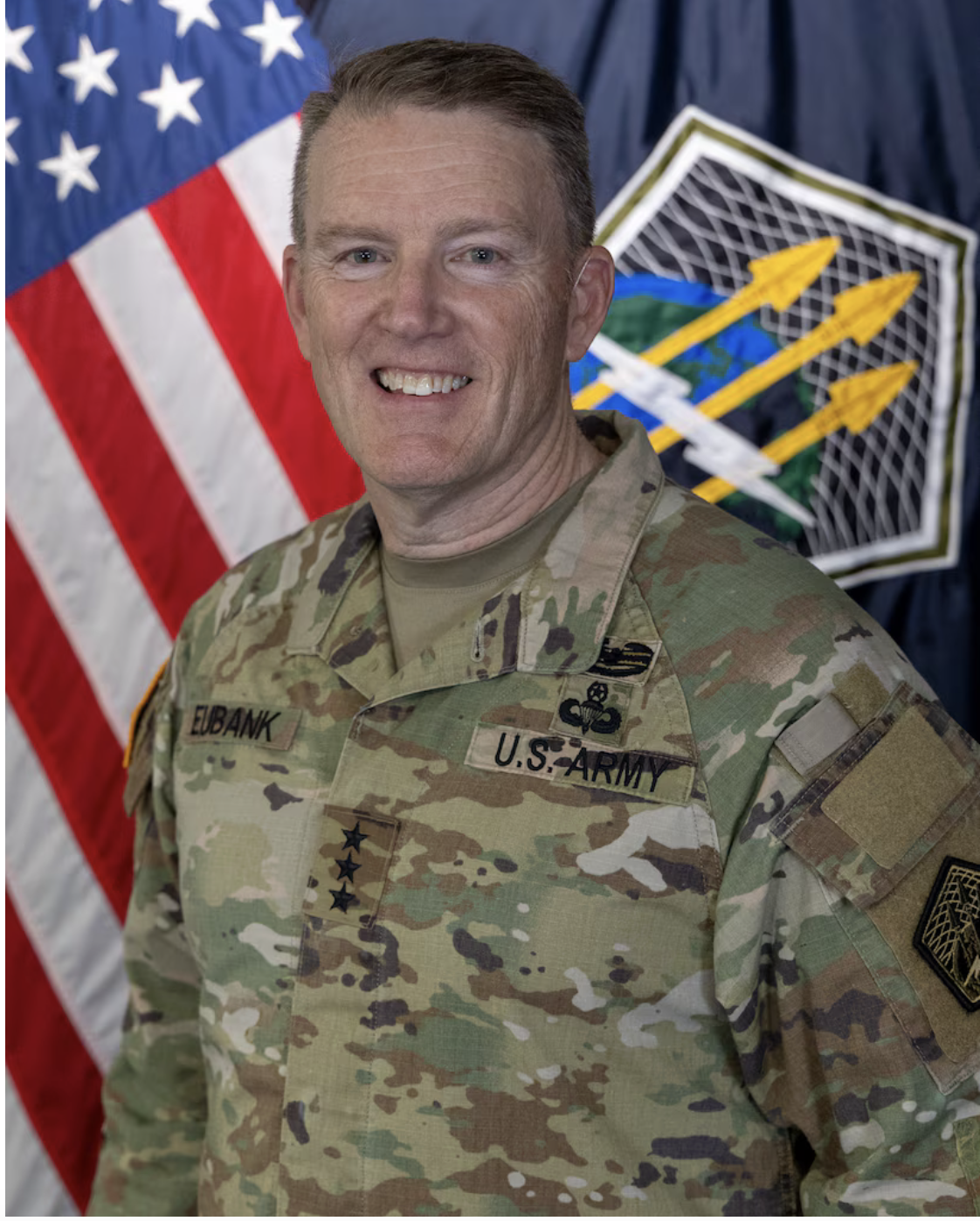
Lieutenant General Christopher L. Eubank, USA
Commanding General U.S. Army Cyber Command
Lt. Gen. Christopher L. Eubank assumed command of U.S. Army Cyber Command (ARCYBER) on December 3, 2025. A Virginia native, Eubank was commissioned as an Army second lieutenant after graduating from the Virginia Military Institute with a bachelor’s degree in History. He began his Army career in 1991 as an Armor Officer, before transferring to the Signal Corps in 1993. Eubank’s previous assignments include tours as Commander, 82nd Airborne Division Special Troops Battalion, and Deputy Director for Communications, United States Special Operations Command (USSOCOM). He has commanded units at the company, battalion, brigade, and command level, including service as the 39th Chief of Signal and Signal School Commandant; Commander, 7th Signal Command; and Commander, United States Army Network Enterprise Technology Command. He has recently served as Chief of Staff of United States Strategic Command, the position he held immediately prior to commanding ARCYBER. Eubank’s joint assignments include service as Director, J-6, United States Africa Command; and Director, J-6, Special Operations Joint Task Force Afghanistan. He has deployed eight times in support of Operation Iraqi Freedom and Operation Enduring Freedom. Eubank has also earned master’s degrees in Computer Resource and Information from Webster University, and in Strategic Studies from the United States Army War College. His military awards and decorations include the Defense Superior Service Medal, Legion of Merit (two oak leaf clusters) , Bronze Star Medal (three oak leaf clusters), Defense Meritorious Service Medal (one oak leaf cluster), Meritorious Service Medal (three oak leaf clusters), Army Commendation Medal (two oak leaf clusters), Joint Service Achievement Medal, Army Achievement Medal, Iraq Campaign Medal, Afghanistan Campaign Medal, Global War on Terror Expeditionary and Service Medals, NATO Medal, Combat Action Badge, Master Parachutist Badge, and Polish Jump Wings.
Panelists
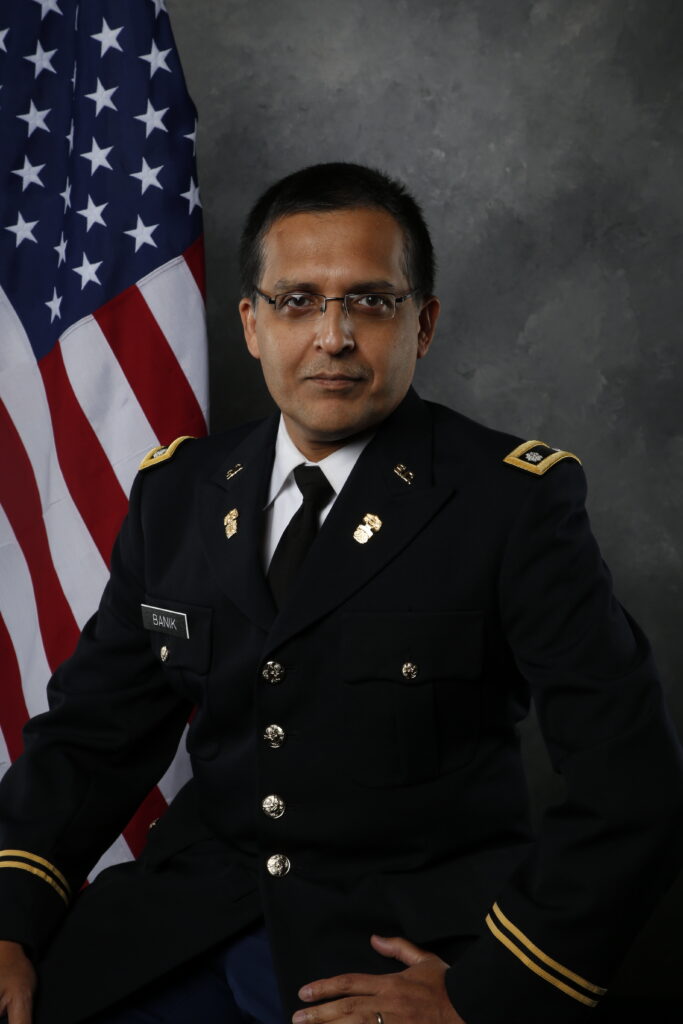
Shankar M. Banik, Ph.D.
Professor and Head of Department of Cyber and Computer Sciences at The Citadel, and the Director for Citadel DoD Cyber Institute
Shankar Banik is a Professor and Head of Department of Cyber and Computer Sciences at The Citadel, and the Director for Citadel DoD Cyber Institute. He received B.Tech. (Hons.) degree in Computer science and Engineering from Indian Institute of Technology (IIT), Kharagpur, in 1997 and M.S. and Ph.D. degrees in Computer Science from University of Oklahoma in 2001 and 2006, respectively.
Dr. Banik has been leading cyber education and research programs at The Citadel since 2010. He was instrumental in designing the minor in Cybersecurity and major in Cyber Operations for undergraduate program at The Citadel and Cybersecurity specialization for M.S. in Computer Science, and graduate certificate program in Cybersecurity for the joint graduate program offered by The Citadel and College of Charleston. He has designed and taught cybersecurity courses for introductory and advanced levels both for undergraduate and graduate programs. Under Dr. Banik’s leadership, The Citadel received the designation of National Center of Academic Excellence in Cyber Defense (NCAE-C) from the National Security Agency (NSA). He is the Program Director for NSA NCAE-C program at The Citadel. He is the Principal Investigator for Department of War Cyber Service Academy Scholarship Program at The Citadel and National Science Foundation CyberCorps® Scholarship for Service Program at The Citadel. His research interests include network security, data privacy, network protocols, machine learning, critical infrastructure security and cybersecurity education. He has served as a research mentor for undergraduate and graduate students in several research projects in computer science and cybersecurity which has resulted in numerous peer-reviewed publications.
Dr. Banik received The Citadel Graduate College Faculty Award for Outstanding Contributions in 2014, Award of Recognition from The Citadel Board of Visitors in 2016, Early Career Award from Citadel Academy of Science and Mathematics in 2017, Citadel Faculty Excellence Award in Service in 2017, Award of Recognition from The Citadel Board of Visitors in 2020, and Distinguished Faculty Award from Citadel Academy of Science and Mathematics in 2025.
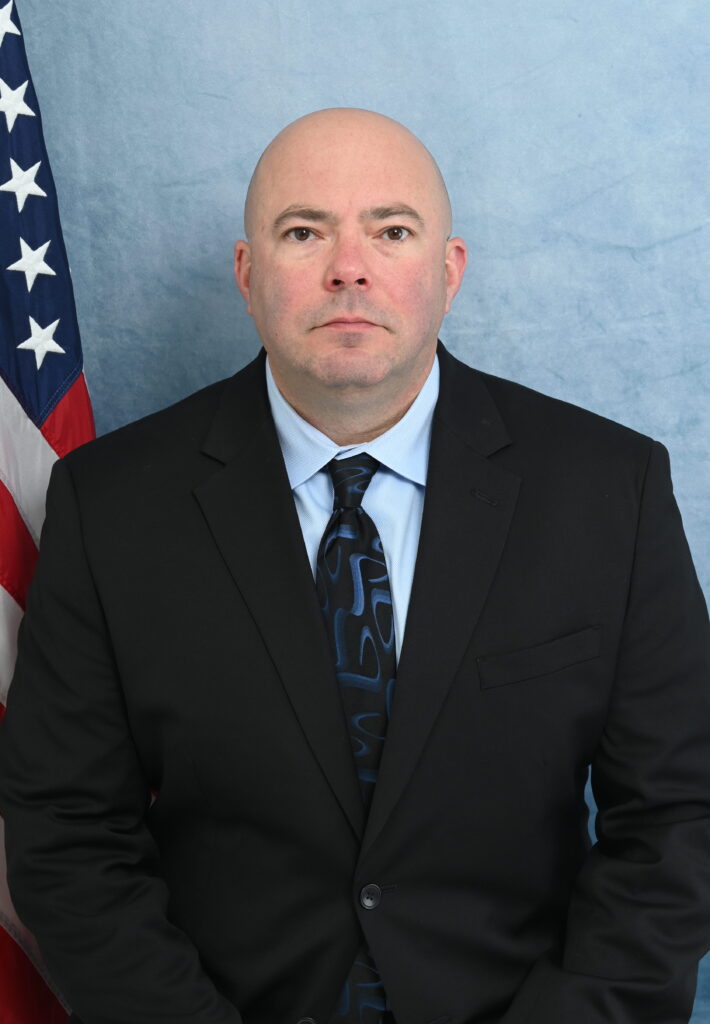
Tim Larkin, Command Sergeant Major, SCNG
Cybersecurity Advisor of SC CIC, and Brigade Command Sergeant Major of the SC Army National Guard’s 228th
Tim Larkin serves with the South Carolina Critical Infrastructure Cybersecurity (SC CIC) taskforce under the South Carolina Law Enforcement Division (SLED), where he plays a key role in supporting the state’s mission to safeguard critical infrastructure through advanced cybersecurity operations and partnerships. The SC CIC mission is to provide critical services and share cybersecurity intelligence to help prevent and respond to cyber incidents that could affect the state’s critical infrastructure.
With more than two decades of hands-on experience in cybersecurity, Tim specializes in large-scale incident response and network defense operations. He has led and supported numerous high-impact investigations involving ransomware, data breaches, and advanced persistent threats across both government and private industry. Tim’s practical expertise in rapidly identifying, containing, and mitigating cyber incidents has made him a trusted advisor to state agencies, local governments, and multiple federal entities. His leadership and operational insight continue to shape South Carolina’s proactive and coordinated approach to cyber defense.
He is the Brigade Command Sergeant Major of the SC Army National Guard’s 228th Theater Tactical Signal Brigade, the President of the South Carolina Chapter of the Military Cyber Professional Association, and the Treasurer of the Coastal Carolina Council of Scouting America.
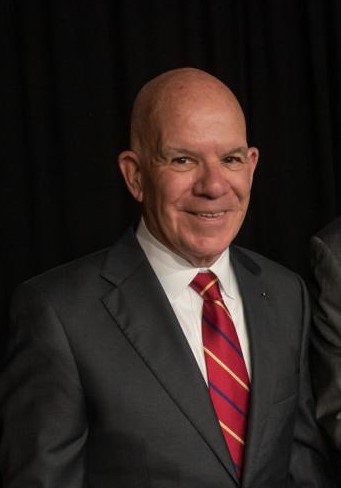
Warren Parker, Colonel, USMC (Ret.)
Chairman and Executive Director of the South Coast Cyber Center
Since 2020, he has been the Chairman and Executive Director of the South Coast Cyber Center in Beaufort, SC – a collaboration of the University of South Carolina Beaufort, the Technical College of the Lowcountry, the Beaufort Digital Corridor and the Beaufort County Economic Development Corporation. The Cyber Center’s vision is to transform the Beaufort region into a hub for cyber education, research, innovation, and business.
The South Coast Cyber Center is now recognized as a leader in cybersecurity in South Carolina and is setting the pace for the State. Warren has been invited to speak at cyber events across the southeast and most recently spoke in Israel and their major cyber conference in Tel Aviv. He has been invited to address audiences in Latin America and Europe as well.
He earned a Certificate in Cybersecurity Risk Management from Harvard University and co-authored the winning essay in the US Naval Institute Cyber Essay contest in 2018.
Warren led a collaborative team of academics, nonprofits, research labs, and business firms from across the South Carolina in submitting a proposal to the National Science Foundation for the establishment of an “Innovation Engine” in South Carolina focused on the cybersecurity demands and needs of the maritime transportation ecosystem. This major NSF grant will be announced in May 2023.
Warren served in the US Marine Corps for 30 years, retiring as a Colonel, to pursue varied careers in the defense industry and nonprofits.
During his Marine Corps career, he served as an infantry officer in various command and staff roles, including Operations Officer for a Marine Expeditionary Unit Special Operations Capable; Operations Directorate J3 of the Joint Staff in Washington DC; Commanding Officer 6th Marine Corps District and Executive Assistant to the Deputy Commandant of the Marine Corps for Manpower and Reserve Affairs.
His personal awards include the Distinguished Service Medal, Legion of Merit, Meritorious Service Medal x 2, Defense Meritorious Service Medal, and the Combat Action Ribbon.
He is a graduate of the University of Maryland and holds a Masters Degree in Government from Harvard University. In addition, he graduated from the National War College, Washington, DC, and holds a Certificate in National Security Studies from Syracuse University.
He and his wife, Debbie, a native of Beaufort, have one son and two granddaughters.

Susie Shannon
President & CEO of South Carolina Council on Competitiveness
Sue-Ann (“Susie”) Gerald Shannon serves as the President & CEO of South Carolina Council on Competitiveness (“SC Competes”), a business-led, nonprofit organization that drives South Carolina’s long-term economic growth through managing select industry clusters (Aerospace, Logistics, Tech/AI, Defense) and providing research, network, and resources that clusters require to thrive through programs such as TransformSC (K12 education at intersection of industry) and SC Fraunhofer USA Alliance (applied research co-investment program). Since joining SC Competes, Susie has been repeatedly recognized as being one of Columbia Business Monthly’s 50 Most Influential People in Business and has been named to its Business Hall of Fame, as well as repeatedly included in the “Palmetto 500” of SC’s economic movers and shakers. For 13 years, she served on a senior strategic team overseeing the work of a network of organizations seeking to transform local areas into economically-vibrant communities and practiced for many years in the Columbia office of McNair Law Firm, P.A. (now Burr Forman), in its Admin.-Reg. section, where her practice areas included procurement and telecommunications. She also previously worked for the Department of Defense.
In 2015, she was appointed by then-Gov. Haley, and later re-appointed by Gov. McMaster, to serve on the Board of Commissioners for the SC State Housing Finance & Dev. Authority (Vice-Chair) and has since been appointed as a Commissioner by Gov. McMaster on the Education Comm’n of the States interstate compact. Additional current service activities include: SC Research Authority Board of Trustees (Program Committee Chair); EPSCoR State Cmtee; SC Broadband Advisory Council; SustainSC Board; NIST/NICE Working Group (Cybersecurity); SC Bar Artificial Intelligence Taskforce; SC Bar Technology, Innovation, & IP Committee (Chair); and SC Governor Cybersecurity “Industry Growth” working group (Chair).
Susie is a graduate of Riley Institute Diversity Leaders Initiative and Nonprofit Leadership Institute of Francis Marion University and is a member of Liberty Fellowship (part of Aspen Global Leadership Network). She also served in the US Army Reserves and is a Veteran of the Gulf War.

Eric Toler, Colonel, USA (Ret.)
Executive Director of the Georgia Cyber Center
Colonel (US Army Retired) Eric Toler joined Augusta University (AU) in 2018 as Executive Director of the Georgia Cyber Center where he helps orchestrate a collaborative ecosystem of government, academia, and private industry partners that help solve the state and nation’s most challenging cybersecurity problems through innovative education, training, research and development, and practical applications.
Mr. Toler possesses extensive knowledge and operational experience in both offensive and defensive cyberspace operations and has served as a principal investigator or Co-PI on several research, training, and service oriented grants. One of his most prominent awards was from the U.S. Economic Development Administration to utilize university students, trained and led by staff experts, to provide world-class cybersecurity services to manufacturers in Georgia. The effort was so successful that the Georgia Cyber Center recently received a multi-million-dollar contract from Georgia’s Department of Community Health to utilize a similar model to provide comprehensive cybersecurity services to rural hospitals across Georgia.
Prior to AU, Mr. Toler served as a Military Intelligence Officer in the US Army for 28 years. In addition to seven combat/operational tours in Afghanistan, Iraq, and the Balkans, Mr. Toler was a pioneer in leading and developing cyberspace operations capabilities for the Army and Department of Defense, serving in key positions within Army Cyber Command, US Cyber Command, and the National Security Agency (NSA), to include serving as the Commander of NSA Georgia.
Mr. Toler has several military awards and decorations, including the Defense Superior Service Medal, the Legion of Merit, and two Bronze Star Medals. He is also a member of the US Army Reserve Officer Training Corps (ROTC) Hall of Fame. In his current role, Mr. Toler has been four times named to Georgia Trend Magazine’s Georgia 500 most influential leaders and five times named in James Magazine as one of Georgia’s most influential men and women. He is also a current student in the Intelligence, Defense, and Cybersecurity Policy PhD program at Augusta University.
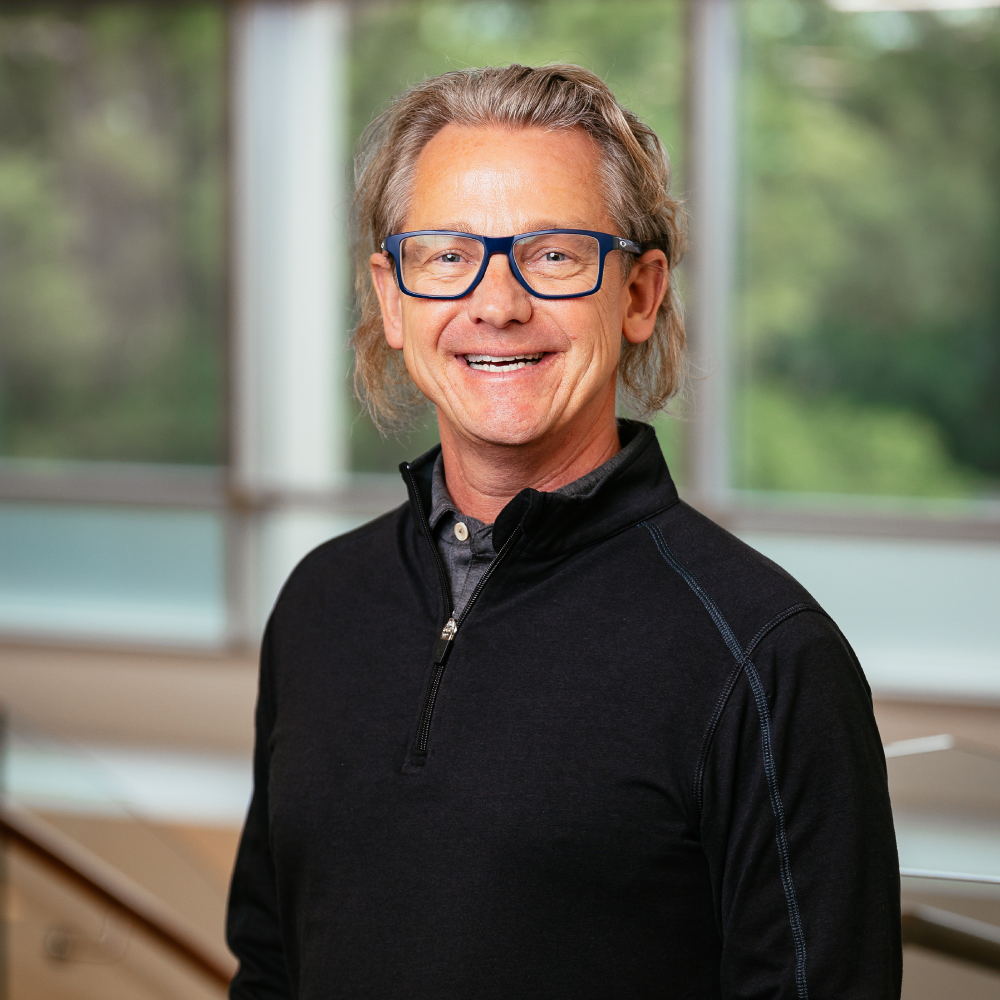
Shaler “Shay” Houser
CEO of PC Matic
Shay is an award-winning 6x founder: Seruus Venturers (1996); Nuvox Communications (1997); UCI Communications (2003); Green Cloud Technologies (2011); Youturn Health (2018), and the Founderville Fund. With over $1 billion in transactions generated through his startups, he’s secured hundreds of millions in private debt and equity and filed for an IPO. He’s sourced, financed, and closed dozens of acquisitions. He created the fastest-growing company in South Carolina, ranked No. 73 on the Inc. 500, and has since been a 3-time Inc. 500/5000 winner. With 2 Public (NASDAQ) exits and 2 PE-backed exits, he also knows the drill when selling a company.
Shay is a graduate of the Citadel and a veteran of the telecommunications and technology industries.
Shay has served as a senior executive at a variety of organizations and is experienced on the industry’s foundational side as an entrepreneur and investor. Based on Shay’s deep experience in capital formation, venture capital, private equity, and M&A, he can speed up go-to-market and run strategic processes efficiently.

Michael W Hewitt, Rear Admiral, USN (Ret.)
Co-Founder and CEO of IP3 Corp.
Rear Admiral Michael Hewitt is Co-Founder and CEO of IP3 Corporation (International Peace, Power, and Prosperity), an international energy and security company with the mission of bringing safe and secure nuclear power to the world’s most critical markets. IP3 is comprised of proven US National Security and Energy leaders focused on stabilizing and prospering nations that are pursuing peaceful energy transition through US partnerships that bring sustainable jobs, energy, and development to the host countries, while also benefiting U.S. partner industries.
RDML Hewitt retired from active duty after 31 years of service in the United States Navy. A career naval aviator, RDML Hewitt distinguished himself across a diverse spectrum of Defense related competencies. He was not only an outstanding leader at the flag rank in naval aviation, but he has also had unqualified success in major acquisition programs, legislative affairs, joint warfare, and most notably as lead for Information Operations, Cyberspace Operations, Non-Kinetic and Net warfare for all of DoD. He is recognized as one of the departments leading experts in strategy to task advancing asymmetric warfare, non-kinetic warfare and sensitive collaboration within the Department of Defense, Interagency and National Security Staff.
Upon his retirement from the military, RDML Hewitt founded HSH Analytics, a company dedicated to providing unmatched expertise in special access program operational employment, future warfighting scenario development and emerging technologies aligned to asymmetric warfare. HSH focuses on the nexus of intelligence and military operations across the DoD, IC and Interagency. In addition, RDML Hewitt is an advisor for several corporate entities involved in cyber warfare, countering weapons of mass destruction, commercial capabilities for USG requirements and high-tech firms supporting advanced warfare concepts, endeavors, think tanks and interagency task force’s tackling our nation’s most difficult national security challenges.
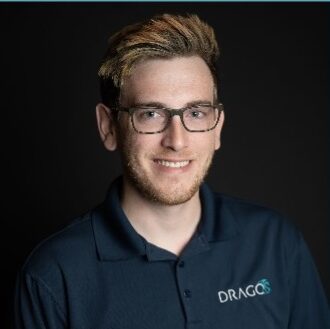
Mackenize Morris
Principal Industrial Consultant at Dragos
Mackenize Morris is a Principal Industiral Consultant at the industrial cybersecurity company Dragos, Inc. where he assists the professional services teams in conducting network and vulnerability assessments. Mackenize engages with Fortune 100 companies as well as small municipal utilities to develop comprehensive cybersecurity strategies.
Mackenize is a leader in the advisory services practice at Dragos working to implement and operationalize OT cybersecurity programs around the SANS ICS Five Critical Controls.
Prior to joining Dragos, Mackenize worked as a process controls engineer and system architect for at Savannah River Site before becoming the operational technology cybersecurity lead. Mackenize now serves as an onsite expert in the field, inspecting pipelines, liquid natural gas terminals, and power generation facilities to ensure that both public and private utilities are defended from cyberattack.
Mackenize attended University of South Carolina where he received his B.S. in Chemical Engineering and MBA as well as a Masters in Information Security Engineering from the SANS Technology Institiute. Mackenize currently holds over 20 certifications in engineering and cybersecurity, serving as a national subject matter expert on defending critical infrastructure.

Csilla Farkas
Professor at the University of South Carolina
Csilla Farkas is a Professor at the Department of Computer Science and Engineering. She is the founderand Director of the Center for Information Assurance Engineering (CIAE) at the University of South Carolina (UofSC). Dr. Farkas’ research interests include information security, AI and cybersecurity, critical infrastructure cyber defense, and information warfare.
Her early work pioneered developing semanticsbased security models for web data and metadata. Her most recent research addresses security, privacy, and reproducibility of HPC-based scientific workflow systems and context-aware cyber defense for critical infrastructure.
She has published over 100 peer-reviewed conference and journal papers. Her research has been funded by the National Science Foundation, National Security Agency, Space and Naval Warfare, IBM, Federal Railroad Administration, and the South Carolina Department of Commerce. Dr. Farkas led the effort of UofSC to become the first university in South Carolina to be accredited as a National Center of Academic Excellence (CAE) in Cyber Defense in 2010 and as a CAE-Research in 2015. She is an active member of the CAE Community and the Cyber Service Academy program of the Department of War.
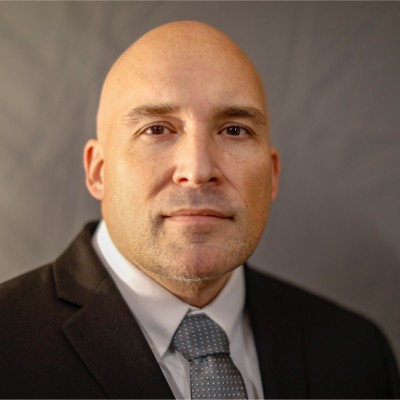
Matthew Powell
VP Network and Security at South Carolina Federal Credit Union
Matthew Powell is Vice President of Network and Security at South Carolina Federal Credit Union, bringing approximately 26 years of experience in information technology, cybersecurity, networking, and infrastructure. In his current role, he helps lead the organization’s cybersecurity, network infrastructure, information security, and technology risk efforts.
Throughout his career, Matthew has developed experience across cybersecurity strategy, network and infrastructure operations, vulnerability management, cloud security, third-party risk, incident response, business continuity, and technology resilience. He has a particular interest in the intersection of cybersecurity, emerging technology, and risk, including the rapidly evolving role of artificial intelligence in both creating new opportunities and reshaping the cyber threat landscape.
Matthew holds a Master of Science in Computer Science from Georgia Tech and a Master of Arts in Intelligence and Security Studies from The Citadel. His combination of technical expertise, security and intelligence education, and more than two decades of industry experience provides him with a practical perspective on balancing innovation, security, risk, and the needs of the business.
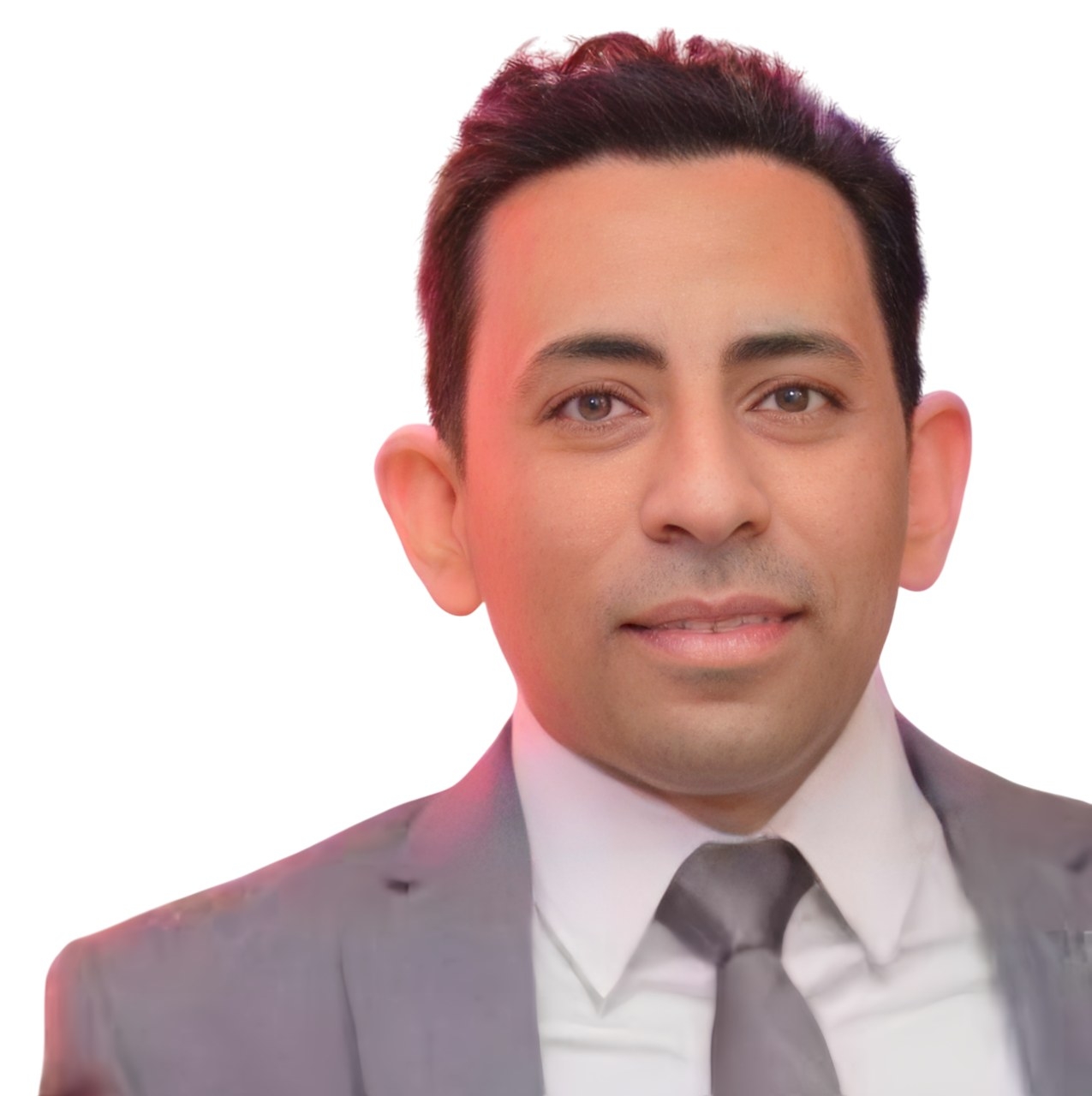
Dr. Ahmed Ahmed
Assistant Professor of Cybersecurity and Computer Science at the University of South Carolina Aiken
Dr. Ahmed Ahmed is an Assistant Professor of Computer Science at the University of South Carolina Aiken. He received his Ph.D. from Tennessee Tech University and has over 10 years of teaching and research experience. His research interests include AI, machine learning, cybersecurity, smart grids, network security, and wireless communications.
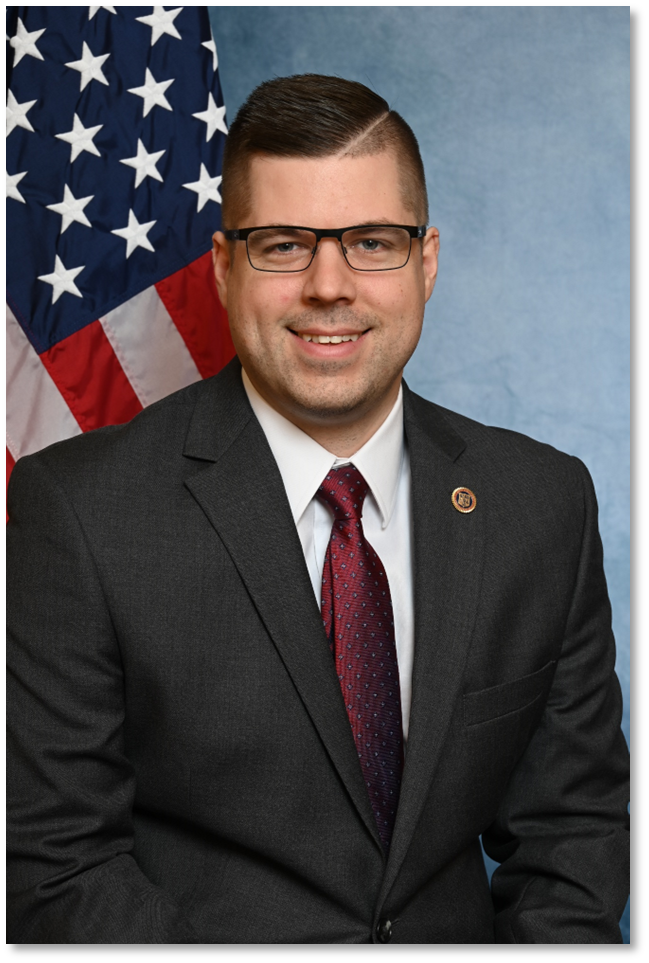
Ryan Truskey
Director of the South Carolina Critical Infrastructure Cybersecurity Program (SC CIC); Chief Information Officer (CIO) and Chief Information Security Officer (CISO) of the South Carolina Law Enforcement Division (SLED)
Ryan Truskey serves as Director of the South Carolina Critical Infrastructure Cybersecurity Program (SC CIC) and as Chief Information Officer (CIO) and Chief Information Security Officer (CISO) for the South Carolina Law Enforcement Division (SLED). In these roles, he leads cybersecurity strategy, risk management, and technology operations to strengthen South Carolina’s cyber resilience.
With extensive experience in intrusion detection, incident response, and security operations, Ryan has built a career focused on protecting critical systems and responding to evolving cyber threats. Through his leadership of SC CIC, he works closely with organizations across all critical infrastructure sectors, including energy, healthcare, transportation, manufacturing, education, and government. This collaboration provides valuable insight into the cyber risks facing both public and private organizations and helps drive coordinated efforts to improve security across the state.
Ryan has also played an important role in supporting cybersecurity readiness within the South Carolina National Guard and State Guard. He has contributed to incident response training and cyber preparedness initiatives that enhance the ability of military and state defense personnel to identify, respond to, and recover from cyber incidents. These efforts have strengthened the state’s overall capability to address emerging threats and respond effectively during cyber emergencies.
In addition, Ryan serves as Chair of South Carolina’s State and Local Cybersecurity Grant Program (SLCGP) Committee. In this capacity, he has helped secure and administer funding that enables local governments to improve their cybersecurity posture through investments in technology, training, and security enhancements. The program has provided critical resources to municipalities and local agencies, helping them address vulnerabilities and build stronger defenses against cyberattacks.
Ryan is widely recognized for his commitment to safeguarding South Carolina’s critical infrastructure and essential services. By combining strategic leadership with hands-on operational experience, he has become a trusted resource for government agencies, industry partners, and community leaders seeking to navigate today’s increasingly complex threat landscape. His work continues to advance collaboration, preparedness, and resilience across the state, ensuring South Carolina remains better equipped to prevent, withstand, and recover from cyber threats.
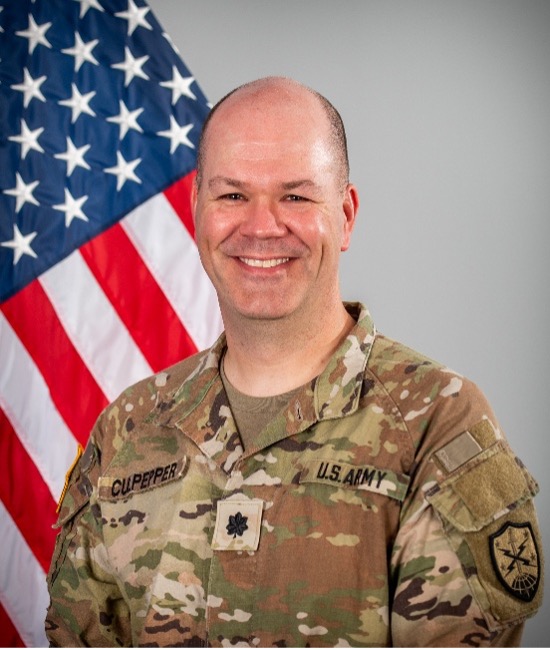
LTC William Thomas Culpepper
Commander 125th Cyber Protection Battalion, South Carolina Army National Guard
LTC William Thomas Culpepper was born in Columbus, GA on May 21st, 1981. He grew up primarily in Kennesaw, GA.
LTC Culpepper originally commissioned into the Georgia Army National Guard as a Combat Engineer in 2011. In 2017, he moved to Cyber Protection Team 170 for a year before attending the Cyber Operation Officer Certification course at Ft. Gordon in 2019. After a brief tour at Georgia’s Land Dominance Center, LTC Culpepper transferred to the South Carolina Army National Guard in early 2021. LTC Culpeper was among the first National Guard Officers to attend the Electronic Warfare Qualification Course. LTC Culpepper took command of the 145th Cyber Warfare Company in 2021, leading them on a mobilization with Joint Force HQ Cyber (Army) from 2022 to 2023. In 2024 he assumed command of the 125th Cyber Protection Battalion.
LTC Culpepper began his civilian career as a high school teacher of mathematics and computer programming for ten years starting in 2009. In 2019 he left teaching to work as a network project coordinator for DHA. In 2024 he moved to Augusta, GA to work as a Cyber Instructor for Chiron Technologies teaching the Advance Cyber Operator Course. Since 2026 he has worked for DOW CIO as an Additive Manufacturing Security Engineer.
LTC Culpepper is married to Stephanie Culpepper. Their children are Gabriel, born in 2016 and twins, Timothy and James, born in 2019.
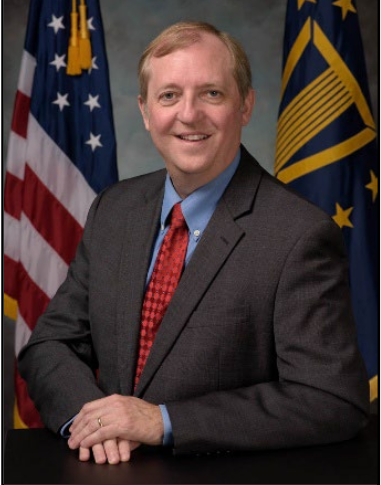
Gregory W. Lancaster, SES
Executive Director at Naval Information Warfare Center Atlantic
Mr. Lancaster serves as the Executive Director of Naval Information Warfare Center Atlantic in Charleston, S.C. In this capacity, he is the senior civilian leader responsible for setting command-wide strategic goals and managing engineering and business operations to deliver integrated information warfare capabilities. Mr. Lancaster provides strategic leadership and executive oversight for a highly technical workforce of more than 4,700 civilian and military personnel and approximately 5,300 contractor support personnel.
Mr. Lancaster began a government career in 1995 as an electrical engineer and subsequently served in various engineering leadership roles, including Lead Project Engineer of the Space and Naval Warfare
Systems Command Europe Office in Stuttgart, Germany, and Department Head for Fleet Command, Control, Communications, Computers, Intelligence and Readiness in Charleston, S.C.
Mr. Lancaster earned a Bachelor of Electrical Engineering degree from the Georgia Institute of Technology and a Master of Business Administration degree from The Citadel. In December 2018, Mr. Lancaster received the Department of the Navy’s Meritorious Civilian Service Award.
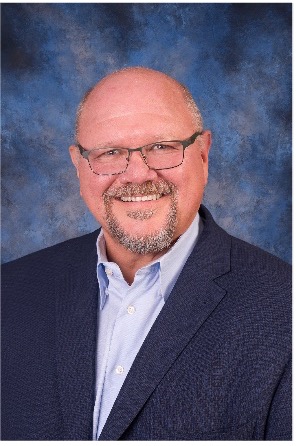
F. Austin Branch
Founder and Former CEO of Crescent Bridge LLC
Austin Branch is the Founder and former Chief Executive Officer of Crescent Bridge LLC, a firm established to support the technical, information, and cognitive security needs of the U.S. Government, commercial enterprises, and international partners. Today, Austin serves as a professional board member, senior advisor, professor, and governance leader, supporting organizations operating at the intersection of national security, emerging technology, and strategic risk.
Austin is a Professor of Practice at the University of Maryland’s Applied Research Laboratory for Intelligence & Security (ARLIS) and an Adjunct Professor of Intelligence & Security at The Citadel, where he teaches and advises on information operations, cyber and media influence, cognitive security, and applied research supporting U.S. national security priorities.
Native of Tampa, FL, Austin was Commissioned in the Army Infantry from The Citadel in 1986, after serving in multiple command and staff positions, Austin became the Army’s first Information Operations Officer, pioneering military operations in the information environment in peace and conflict. His career included senior leadership roles across the Army, Joint Special Operations, Joint Staff, U.S. National Security Staff, U.S. European Command, and deployed Joint Special Operations and Multinational Task Forces.
After retiring from uniformed service, Austin joined the Office of the Undersecretary of Defense for Intelligence as Deputy Director and Chief of Operations for the Defense Policy Analysis Office. He later served as a Defense Intelligence Senior Executive, overseeing DoD Information Operations, Military Information Support, Electronic Warfare, Counter‑Violent Extremism, and special programs. In 2010, the Secretary of Defense selected him as the first Senior Executive Director for the Information Operations and Military Information Support Enterprise.
In 2013, Austin was chosen by the Director of National Intelligence and the Director of the National Counterterrorism Center to establish and lead a new national‑level organization focused on Homeland Counterterrorism, Global Counter‑Violent Extremism, and Cyber Strategy in support of the National Security Council. He also served as the national co‑lead for countering ISIS propaganda and influence.
Austin is a noted pioneer and expert in Operations in the Information Environment, is the co‑founder of the Information Professionals Association (IPA, 501c3) and has served on the Defense Science Board and Drexel’s Cyber Advisory Board addressing great‑power competition in the information environment. He continues to serve on multiple boards and advisory groups and is a frequent lecturer across academic, government, and industry forums worldwide and holds advanced degrees and certificates from the Air War College, Troy University and Harvard’s Government School.
Colin Chinn
Cyber Assurance & Resiliency Lead at the Savannah River National Laboratory (SRNL)
Colin Chinn is currently serving as the Cyber Assurance & Resiliency Lead at the Savannah River National Laboratory (SRNL). His team focuses on building cutting edge OT research, development testing and evaluation (RDT&E) solutions with government organizations, academia, and industry.
With a background in naval operations and national intelligence for nearly 30 years, Colin has held various leadership positions in organizations including: the National Security Agency (NSA) where he led the Russia and Ukraine analysis & production mission; U.S. Fleet Cyber Command as the Chief of Plans, Policy & Engagements; Navy Information Operations Commands (NIOC) Maryland and Georgia as the Operations Officer; U.S. Central Command Information Operations planner; and multiple ships and staffs afloat.
Colin holds degrees from the U.S. Naval War College and The Citadel and was a Massachusetts Institute of Technology (MIT) Seminar XXI Fellow. Throughout his career, Colin has demonstrated expertise in national intelligence operations, cryptologic support, military planning, and cyber warfare & information operations.
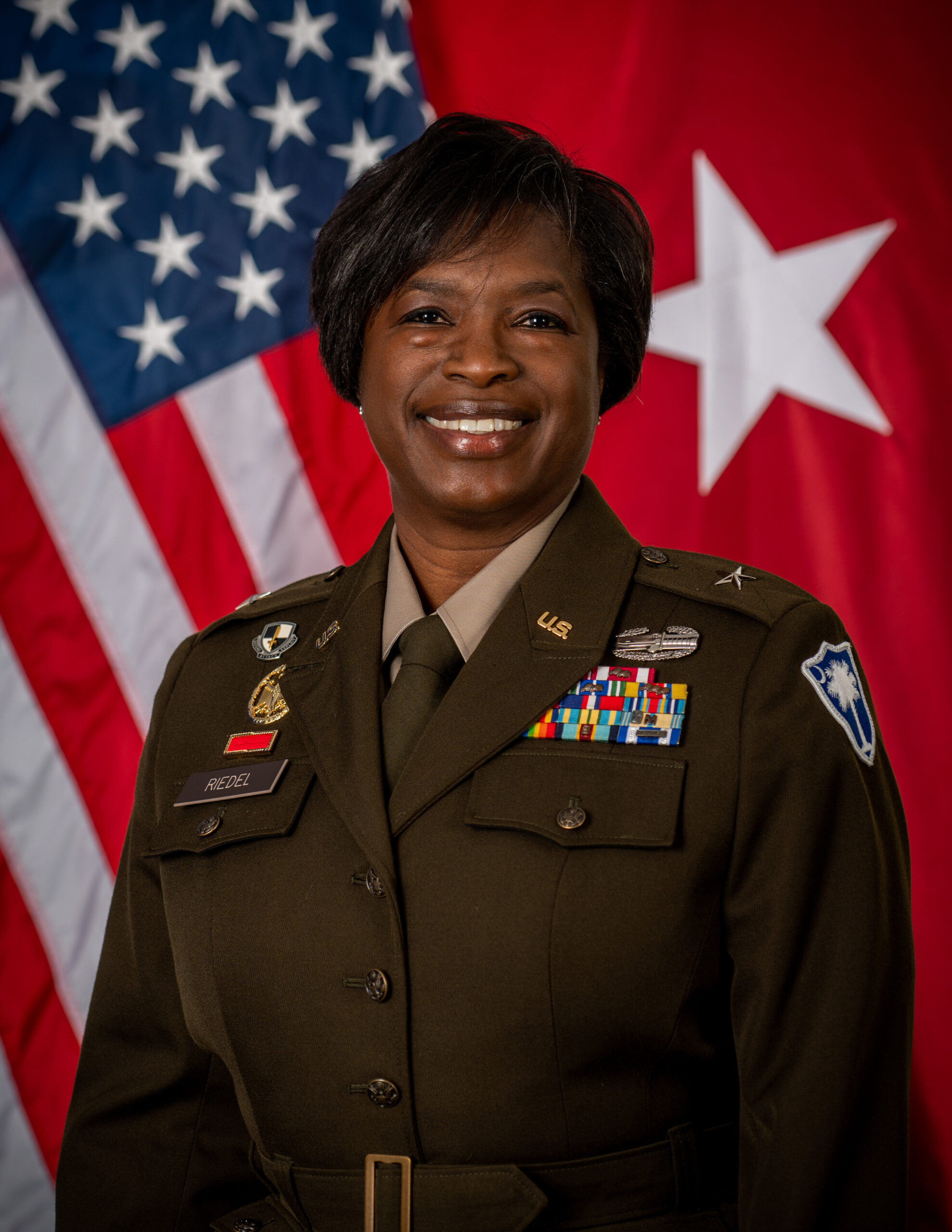
BG Linda J. Riedel
Deputy Director of DoD Cyber Institute at The Citadel
Brigadier General Linda Riedel serves as Deputy Director of the DoD Cyber Institute at The Citadel, providing strategic leadership for its cyber workforce development mission in support of the nation’s six Senior Military Colleges. She builds senior-level relationships across the Department of Defense, the National Guard, federal agencies, academia, and industry.
In the South Carolina Army National Guard, she serves as the Assistant Adjutant General – Army and is dual-hatted as the Guard’s Deputy Commanding General of the U.S. Army Cyber Center of Excellence at Fort Gordon, Georgia, strengthening the Army’s cyber, signal, and electronic warfare capabilities.
A career Signal Officer with more than 30 years of service, BG Riedel holds the 17A Cyber Operations designation. She was South Carolina’s first commander of the 125th Cyber Protection Battalion and commanded Task Force Echo II under the 780th Military Intelligence Brigade (Cyber) and U.S. Army Cyber Command.
She holds an M.S. in Government Information Leadership from the National Defense University’s College of Information and Cyberspace (Cyber War College), an M.S. in Project Management from The Citadel, and a B.A. from the University of South Carolina. She is a PhD candidate in Cyber Leadership at Capitol Technology University, researching how states build cybersecurity capability and capacity.
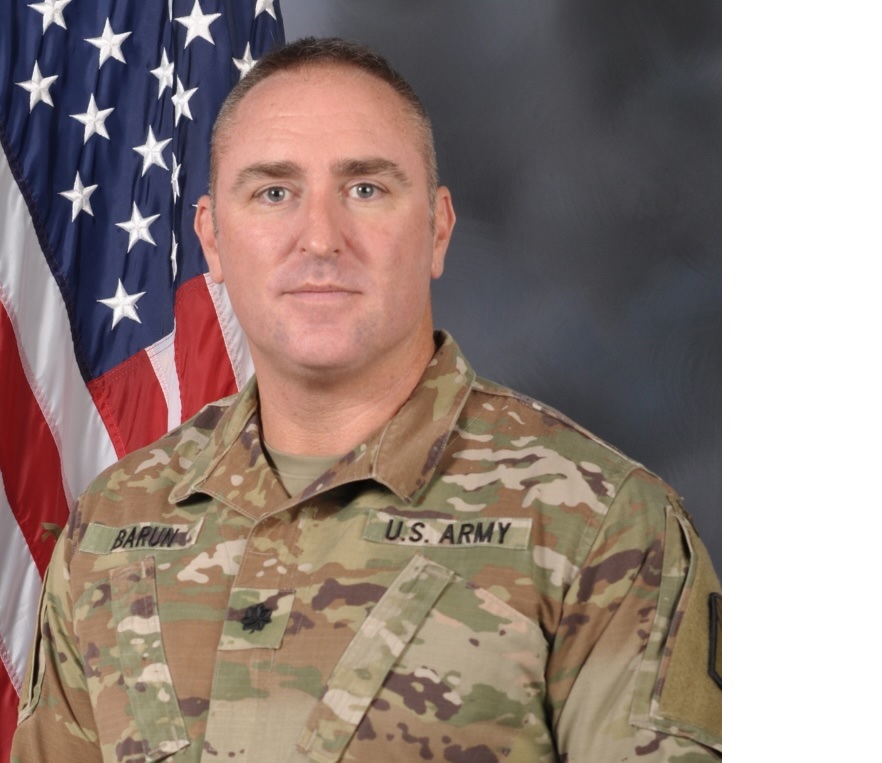
LTC Seth A. Barun
CIO for the North Carolina Army National Guard
Lieutenant Colonel Seth A. Barun was born in Denver, Colorado. He graduated from Waubonsie Valley High School located in Aurora, Illinois in 1995. Upon completion of high school, he attended the United States Air Force Academy in Colorado Springs, Colorado where he graduated with a Bachelor of Science degree in Social Science. Furthering his education, he graduated from Purdue University with a Master of Science Degree in Cyber Security. He also holds a Master’s of Strategic Studies from the U.S. Army War College in Carlisle, PA.
LTC Barun began his military career in 1995 has a Cadet, and later commissioned at the United States Air Force Academy in 1999. As a Commissioned Officer, he attended the Air Force Aerospace Basic Course. Other courses he attended include the United States Air Force Undergraduate Space and Missile Training, United States Air Force 4th Space Operations Satellite Mission Control School, United States Army Battalion/Brigade S6 Officer Course, United States Army Contractor Officer Representative Course, United States Army Signal Captain’s Career Course, United States Army Command and General Staff Officer Course, Army Information Operations Course and the U.S. Army War College.
He has commanded at both the company and battalion level and is currently the Chief Information Officer for the North Carolina National Guard at JFHQs in Raleigh, NC.
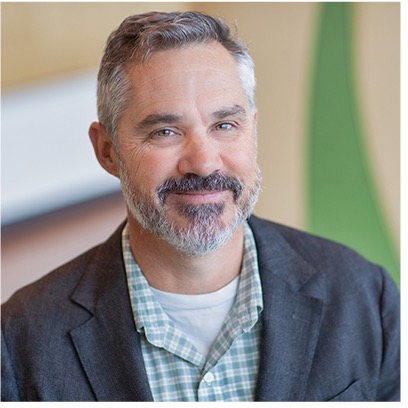
Ernest Ferraresso
Senior Director of The Florida Center for Cybersecurity at the University of South Florida
Ernie Ferraresso is the Senior Director of The Florida Center for Cybersecurity at the University of South Florida, also known as Cyber Florida at USF, working with industry, academia, and the private sector to make Florida the leading state in cybersecurity through education, research, and community outreach and engagement. The Center works closely with government, critical infrastructure, and law enforcement to enable efforts and lead programs that improve Florida’s cyber resilience and strengthen Florida’s cyber workforce. Cyber Florida at USF engages across multiple sectors to expand Florida’s cybersecurity education in Florida’s public school system.
Before joining Cyber Florida, Ernie worked for a small technology design and integration firm as the Director of Operations, overseeing the design and implementation of cybersecurity and emergency operations center technology solutions in the U.S. and throughout Latin America.
He is a retired U.S. Marine Intelligence Officer who served in the U.S. and abroad. His work included assignments with U.S. Special Operations Forces, the Intelligence Community, the George C. Marshall European Center for Security Studies, and U.S. Cyber Command.
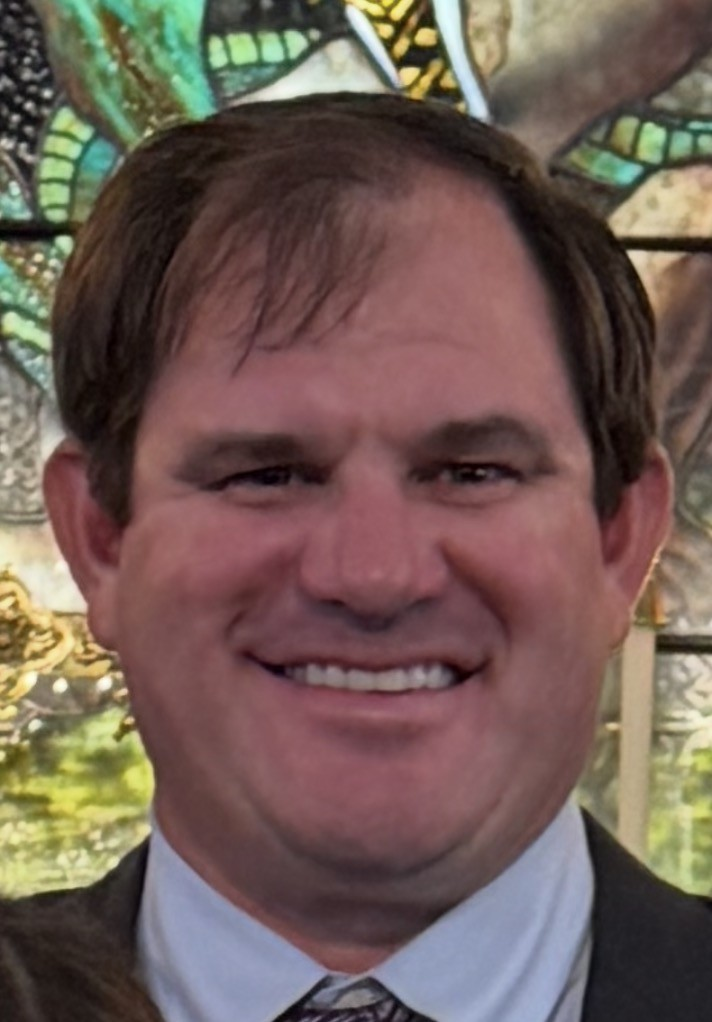
Cord Smythe
Senior Vice President, Business Development, MID-SHIP Logistics
Cord Smythe is Senior Vice President, Business Development at MID-SHIP Logistics, a Watco company, where he works with shippers and port partners across the Southeast.
Cord started his career at sea, after graduating from Texas Maritme Academy at Texas A&M University. As a captain for Edison Chouest Offshore, he ran offshore vessels supporting oil and gas operations in the Gulf of Mexico, Guyana, Nigeria and Trinidad. As chief mate and captain for Stevens Towing aboard the MV Coastal Venture, he moved machinery and military cargo around the world. Those years gave him a firsthand view of how vessels, crews and shoreside facilities depend on each other, and how security risk changes from one port and operating environment to the next.
He then spent a decade at Carver Maritime, operator of Pier J in North Charleston, a private deep-water bulk and breakbulk terminal and stevedoring operation. There he led sales and business development and served as the terminal’s Facility Security Officer for ten years. He wrote Pier J’s Facility Security Plan under the Maritime Transportation Security Act and administered it through Coast Guard inspections and audits. He also managed the terminal’s drills, access control and incident reporting.
Cord’s career covers the vessel, the terminal and the logistics provider. He brings the view from inside small-to-mid-size operators, where the person writing the security plan is often also running operations and selling the business. That shapes how he approaches the question of how smaller terminals, carriers and logistics providers can meet new cybersecurity requirements with limited staff.
Cord holds a U.S. Coast Guard Master’s license, is Vice-Chairman of the Maritime Association of South Carolina, and is based in Charleston.
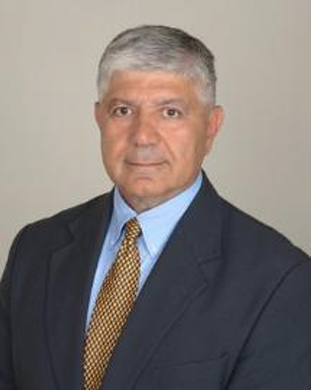
Dr. Reza Ghaffari, CAPT USN (Ret.)
CEO and Founder of Cyber Vet Solutions LLC.
Dr. Reza Ghaffari is a nationally recognized cybersecurity and systems engineering expert, retired U.S. Navy Captain, educator, author, and business leader with more than four decades of experience spanning defense, aviation, critical infrastructure, and information technology. As the Founder and CEO of Cyber Vet Solutions, LLC, a Service-Disabled Veteran-Owned Small Business (SDVOSB), he provides cybersecurity leadership and technical expertise supporting government and industry initiatives focused on cyber resilience, risk management, and advanced defense technologies.
Prior to establishing Cyber Vet Solutions, Dr. Ghaffari held engineering and leadership positions with several Fortune 100 and Fortune 500 organizations, including Northrop Grumman, General Electric, U.S. Steel, and Intergraph Federal Systems. Throughout his career, he has supported aviation platforms, industrial control systems, robotics, military and commercial communications, and automatic test equipment design and implementation.
Dr. Ghaffari is also a dedicated educator, serving as an Adjunct Professor at the University of Maryland Global Campus, Johns Hopkins University Whiting School of Engineering, George Washington University, and the joint graduate cybersecurity program shared by The Citadel and the College of Charleston. He has co-authored two books, Survival in Space and Maritime Transportation Systems: A Future Look at Threat Countermeasures and Risk Assessments.
A recognized leader in Department of Defense cybersecurity programs, Dr. Ghaffari has supported numerous Joint Command and Control initiatives and major defense systems, including Joint STARS, GCCS-J, GCSS-J, Patriot, Hawk, and MLRS. He has led cyber vulnerability assessments, information assurance activities, and system certification efforts while helping organizations transition from DIACAP to the Risk Management Framework (RMF).
During his distinguished 30-year Navy career, Dr. Ghaffari served in both active and reserve capacities as an Aeronautical Engineering Duty Officer. His assignments included leadership roles at the Pentagon, the Joint Strike Fighter Program, and a deployment to Afghanistan as Officer in Charge of NAVAIR Forward UAV and Aerostat Programs.
Today, he continues to support Naval Aviation programs as a cybersecurity subject matter expert, focusing on cyber survivability, Zero Trust architecture, post-quantum cryptography, artificial intelligence, and mission-critical unmanned systems. His academic credentials include a Doctor of Engineering in Cybersecurity, master’s degrees in Electrical Engineering and National Security Studies, and advanced Joint Professional Military Education certifications. His numerous honors include the Legion of Merit, Defense Meritorious Service Medal, and multiple commendation and achievement awards recognizing his exceptional military and professional service.